GHK-Cu
GHK-Cu is a tiny copper-carrying peptide the body makes on its own, best known from skin creams. Blood levels are reported to fall with age, to less than half by 60. It carries copper to enzymes that help bind collagen together, the protein that keeps skin firm. The human studies are on creams and serums; injected use has no human studies.
What it’s studied for
- Skin firmness and wrinklesStudied in humans
In small human trials of creams and serums, wrinkles, firmness and signs of sun damage improved. source
- WoundsStudied in animals or lab
In animal studies, wounds healed faster, with more collagen made at the wound. source
- Gut liningStudied in animals or lab
In a 2025 animal study of gut inflammation, disease signs eased and gut-barrier proteins recovered. source
2 more uses studied
- Tissue beyond the skinStudied in animals or lab
Animal studies report effects in lung, bone, liver, tendon, ligament and nerve tissue. source
- Injected useReported by users
Users describe injected use for skin and recovery. It has never been studied in people.
 New here? Three things worth knowing first
What’s a peptidepeptideA short chain of amino acids. Proteins are long chains; peptides are short ones, usually under 50 amino acids.? A short chain of amino acids, the building blocks of protein. Many act like messengers in the body.
Why the vial has to be mixed. It ships as a dry powder. You add bacteriostatic waterbacteriostatic waterSterile water with a little benzyl alcohol that stops bacteria growing, so a mixed vial lasts days or weeks. Often called BAC water., and the amount you add decides how many unitsunitsMarks on an insulin syringe. On a U-100 syringe, 100 units = 1 mL. How many units equal a dose depends on how much water was added. on the syringe equal one dose. The calculator does that math.
SubcutaneoussubcutaneousUnder the skin, into the fat layer. The usual route for peptide injections. Often shortened to sub-Q. injection, Daily, or 5 days a week. Subcutaneous means into the fat layer just under the skin. It uses a small insulin syringe. Any word with a dotted underline on this page opens a short definition.
Dosage guidelines
Injected protocols describe 1 to 2 mg a day for 4 to 8 weeks, then a 4 to 6 week break. Creams are described once or twice a day, with no break.
The doses below come from published reference protocols and, where they exist, the human trials. Tap a row to load it into the calculator.
Figures reviewed against their sources in October 2026. Where a trial or approved label sets a schedule, it is shown first; where a label sets one fixed dose, the FAQ below says so.
Standard injectable. 1 to 2 mg a day, daily or 5 days a week, for 4 to 8 weeks, up to 12. A 4 to 6 week break follows.
1–2 mg a day, daily, or 5 days a week · 4–8 weeks, extendable to 12 weeks
| Step | Dose per injection | Draw to | |
|---|---|---|---|
| 1 | 1 mg (1,000 mcg) | 5 units | |
| 2 | 2 mg (2,000 mcg) | 10 units |
Doses marked “between 5-unit marks” sit between the 5-unit lines on a 1 mL syringe; the 1-unit lines on a 0.5 mL or 0.3 mL syringe make them easier to read.
Units are for a 50 mg vial mixed with 2.5 mL of water. Change the vial in the calculator
Full protocol details
Other protocols described
- Conservative start. 0.5 to 1 mg, 3 to 5 times a week, to gauge tolerance before moving up.
- Skin laxity after weight loss. 1 to 2 mg a day for 8 to 12 weeks, described for loose skin after weight loss.
Mixing in the protocols: 50 mg vial + 2.5 mL bacteriostatic water · 1 mg per 5 units. The solution turns blue from the copper, which is normal. Adding 30 to 90 units of extra bacteriostatic water to a drawn dose is described as reducing the burn..
Mixing in the protocols: 50 mg vial + 3 mL bacteriostatic water · The upper end of the 2.5–3 mL range given..
Other forms: Topical: 0.5% to 4% creams or serums for the face, 2% around the eyes, once or twice daily, continuous with no cycling. The timeline described is 8–16 weeks for skin and 16–24 weeks for hair. Topical use acts on the skin where it is applied; injection under the skin is described for body-wide effects. Because the half-life is short, frequent small doses are described as preferable to large occasional ones, and any spot under the skin works body-wide, with a site near the target giving a higher local level.
Standard injectable
- Dose
- 1–2 mg a day
- How often
- Daily, or 5 days a week
- Timing
- Any time; no fasting
- Route
- Subcutaneous
- How long
- 4–8 weeks, extendable to 12 weeks
- Break
- 4–6 weeks between cycles
Conservative start
Gauging tolerance before moving up
- Dose
- 0.5–1 mg a day
- How often
- 3–5 times a week
- Route
- Subcutaneous
Skin laxity after weight loss
- Dose
- 1–2 mg a day
- How often
- Daily
- Route
- Subcutaneous
- How long
- 8–12 weeks
Injectable is described over topical here, because creams do not reach deep enough.
Cycle
4–8 weeks, extendable to 12 weeks; 4–6 weeks between cycles
When a step up happens
User reports describe stepping up only after progress has stalled for two weeks or more, and only if the previous step was tolerated. Everyone is different.
Timing: Any time; no fasting.
Peptide calculator
Already filled with this vial. Change anything you like.
How much is in your vial?
Check the label. The most common strengths:
Every 10 units = 2 mg.
5 units. 2.5 mL of BAC water
How the vial is mixed
The powder has to be dissolved in bacteriostatic (BAC) water before use. For a 50 mg vial this page uses 2.5 mL, which puts the usual dose on a round syringe mark: every 10 units is 2 mg.
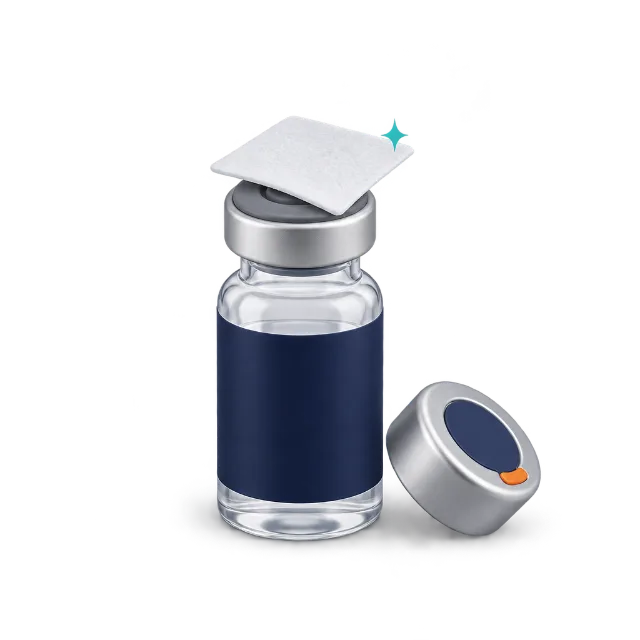 STEP 1Wipe both topsAlcohol pad on the peptide vial and the BAC water vial.
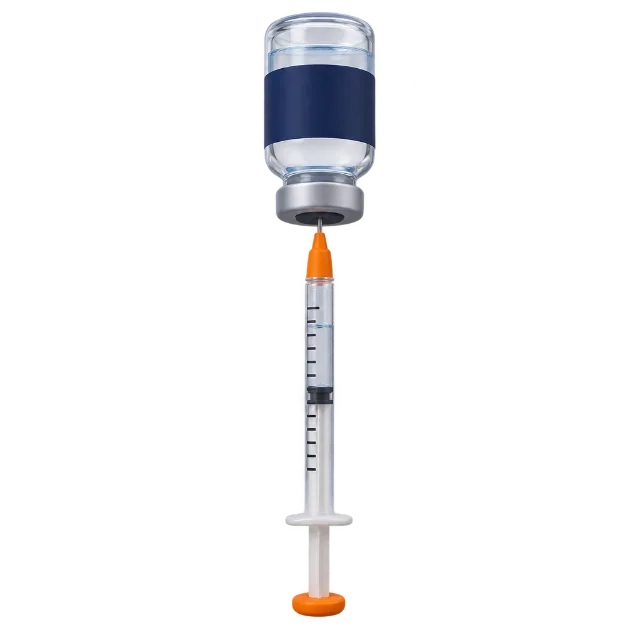 STEP 2Draw 2.5 mL of waterThat’s 2 full 1 mL syringes plus 0.5 mL.
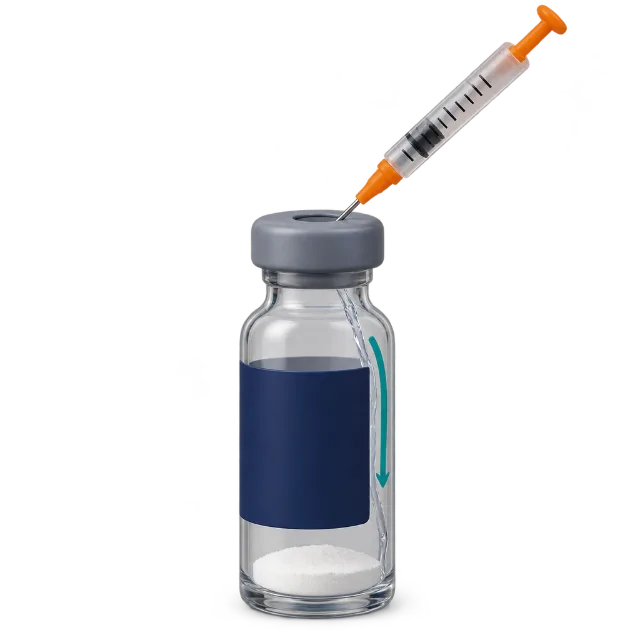 STEP 3Add it slowlyAim at the glass wall, not at the powder.
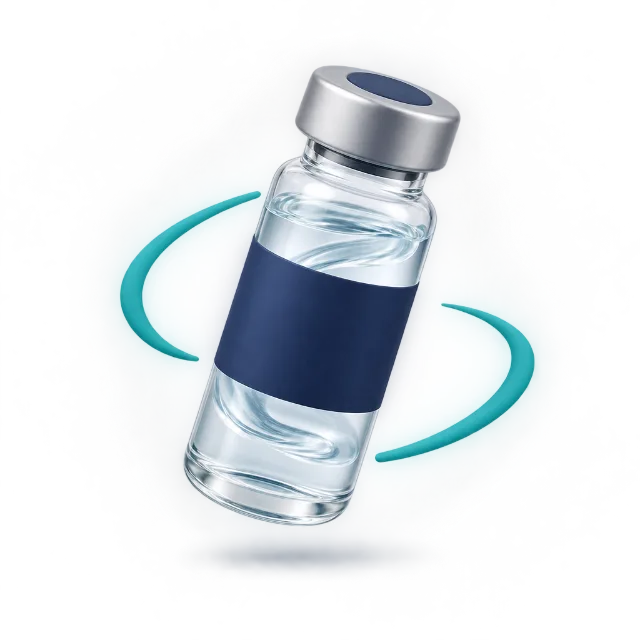 STEP 4Swirl, don’t shakeRoll gently until clear. Refrigerate after.
What to watch for
- Burning or stinging after a shot, often for 15 to 20 minutesReported by users
- Redness, swelling or bumps where the shot goes in, sometimes with a temporary blue-green tintReported by users
- Less often, a metallic taste, headache or tirednessReported by users
- The safety of the injected form has not been studied in peopleUnknown
Not for anyone with active cancer, a copper allergy, or Wilson disease or another copper-handling disorder. Also not for skin with an infection at the shot site. Talk to a doctor first, especially if pregnant, breastfeeding, or taking blood thinners or immune-suppressing medicine.
Reasons to get medical help right away: trouble breathing, swelling of the face or throat, chest pain, fainting, or any severe or worrying reaction.
Full side-effect list and who should avoid it
In published research
- Topical: transient redness in 4.2% and itching in 2.8%, with no consistent body-wide effects, in a 2023 review of 12 studies (512 people) [needs source]
- The 71-woman topical trial reported no adverse events
- Injected: no human safety studies; no acute toxicity in animals at the doses studied
- The FDA has said human safety data for injected GHK-Cu are limited and that it could trigger immune reactions from clumped peptide or impurities
What users report
- Common with injection: burning or stinging for 15–20 minutes; redness, swelling or hive-like bumps; temporary blue-green discoloration at the site
- Less common: a temporary metallic taste, small shifts in appetite or energy, headache, tiredness
- Rare: 'copper uglies', a temporary worsening of skin before it improves, linked more to high-strength topical use and disputed by some dermatologists
- Mostly dose-dependent, and gone within hours to days
Not for
- Active cancer or tumors (it promotes blood-vessel growth)
- Known allergy to copper or GHK-Cu
- Wilson disease or other copper-handling disorders
- Infection at the injection site (copper can feed bacteria)
Use caution with
- Pregnancy or breastfeeding
- Autoimmune disorders
- Severe liver disease
- Kidney impairment
- Immunosuppressants
- Blood thinners
- Any history of cancer, where an oncologist's input is described first
- Drugs that affect copper handling; high-dose zinc competes with copper
How the body handles it
- Half-life in the blood under 1 hour
- Blood level about 200 ng/mL at age 20 and about 80 ng/mL at age 60
Supplies
What 12 weeks of the schedule above takes, counted dose by dose.
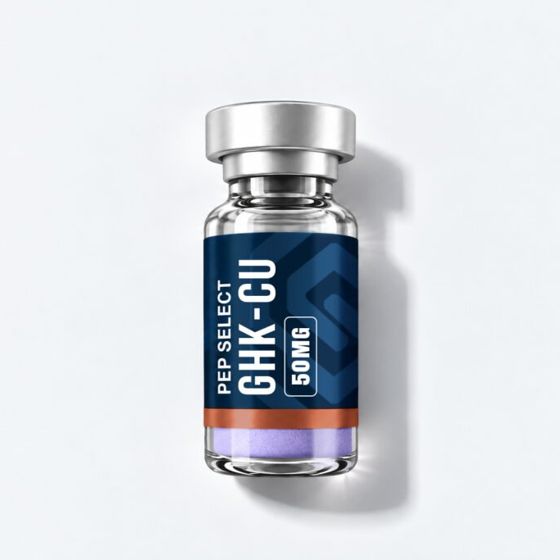
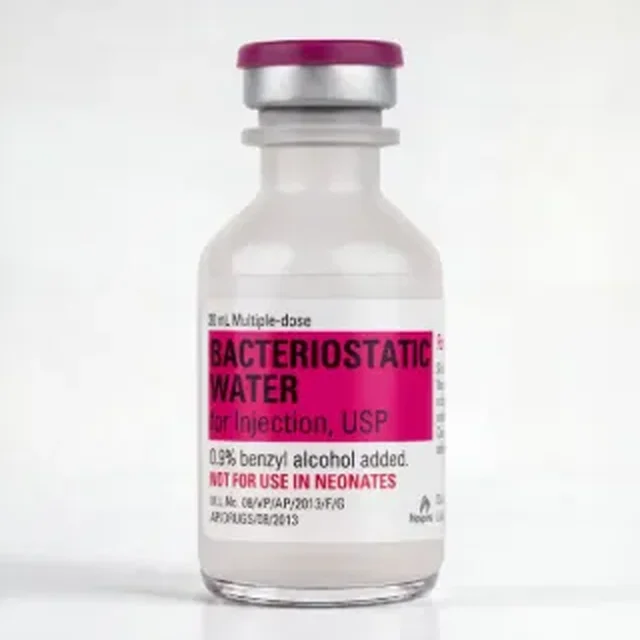
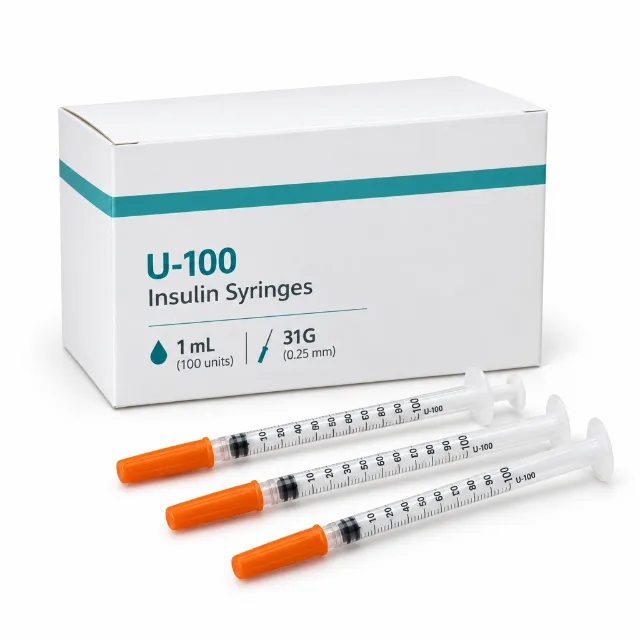
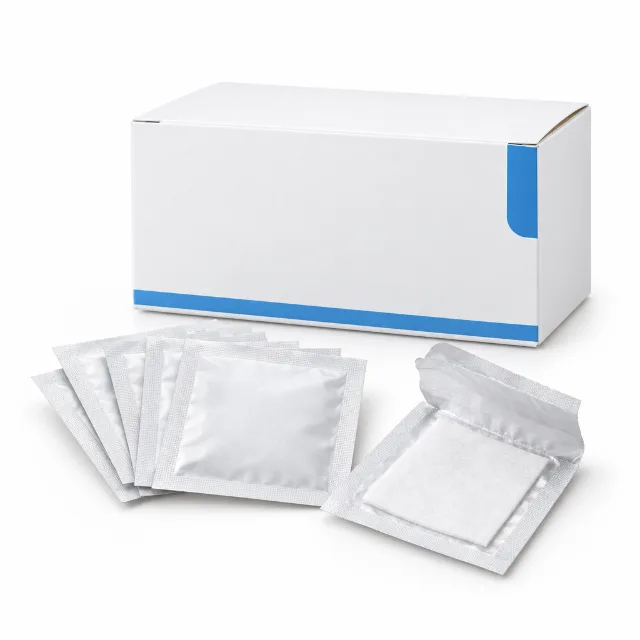
By clicking this link, WikiPep may receive a commission.
Stacking
What the community pairs with GHK-Cu, and why. None of these pairings has been tested in a trial.
- BPC-157 and TB-500 (GLOW)Reported by users
The most common pairing, described as complementary. Users report BPC-157 eases the sting of the GHK-Cu shot.
- KPV (KLOW)Reported by users
Added to the GLOW trio when people want to address inflammation across the body, not only skin.
- GLP-1 drugsReported by users
Some add GHK-Cu for loose skin after fast fat loss. No interaction is described.
Also used alongside it, with no interactions described: growth-hormone peptides and testosterone therapy.
Go deeper
Every study, community report and source behind this page.
What the studies show19 findings, each with its evidence label
Status, October 2026. GHK-Cu is sold legally as a cosmetic skincare ingredient but is not an FDA-approved drug; the FDA said on April 15, 2026 it would take injectable GHK-Cu off its Category 2 compounding list, with advisory-committee review expected before February 2027. Source
How it works
Copper delivery. GHK carries copper to enzymes that need it, such as lysyl oxidase, which cross-links collagen and elastin, without the toxicity of free copper.
Gene activity. In lab gene-expression data (the Connectivity Map), GHK shifted the activity of 31.2% of human genes by 50% or more, toward repair and away from inflammation, at very low concentrations.
Building and clearing tissue. In lab and animal studies it drove fibroblasts to make type 1 and type 3 collagen, elastin, glycosaminoglycans and decorin. It also balanced the enzymes that break old tissue down (MMPs) against their inhibitors (TIMPs), so old matrix is cleared while new matrix is built.
Inflammation and repair cells. In lab and animal studies it lowered TNF-alpha, IL-6 and IL-1 beta, raised VEGF, and drew in immune cells, fibroblasts and stem cells.
Benefits
Each one carries an evidence label, so you can see how much is actually known.
Skin firmness and wrinkles
In small human trials of creams and serums, wrinkles, skin density and firmness, and signs of sun damage improved. source
Wound healing
In animal studies, wounds healed faster than in controls, with more collagen made at the wound. source
Hair
In lab work, a related copper peptidepeptideA short chain of amino acids. Proteins are long chains; peptides are short ones, usually under 50 amino acids. (AHK-Cu, not GHK-Cu) lengthened hair follicles and grew the cells at their base. Effects of GHK-Cu itself on hair are unknown.
Gut lining
In a 2025 animal colitis model, it eased disease activity and restored gut-barrier proteins. source
Tissue beyond the skin
Animal studies report effects in lung, bone, liver, gut lining, tendon, ligament and nerve tissue. In a knee-ligament graft model, joint looseness improved at 6 weeks but not at 12. source
Oxidative stress
In lab studies it restored the survival of skin cells damaged by radiation. source
Brain and cognition
Preliminary: aged animals learned better. source
Injected use for skin and recovery
Described by users; never studied in people.
What the science shows
Gene-expression review (2018)
Studied in animals or labConnectivity Map data: GHK changed the expression of 31.2% of human genes by 50% or more, at picomolar to nanomolar concentrations. Most evidence reviewed is topical or preclinical. source
Regenerative review (2015)
Studied in animals or labLab work showed activation of TGF-beta and integrin pathways, lower TNF-alpha-driven IL-6, and restored survival of irradiated fibroblasts. source
Topical serum, 40 women (human, 2016)
Studied in humansDouble-blind trial in women aged 40 to 65, twice-daily serum in lipid carriers for 8 weeks. Wrinkle volume fell 55.8% (p<0.001) and depth 32.8% (p=0.012) against a control serum; wrinkle volume fell 31.6% against a commercial peptidepeptideA short chain of amino acids. Proteins are long chains; peptides are short ones, usually under 50 amino acids. serum (p=0.004). The lab arm showed more collagen and elastin and a favorable TIMP-to-MMP balance. Summarized in a 2018 review. source
Topical cream, 71 women (human, 2005)
Studied in humans12 weeks of twice-daily cream in women with sun-damaged skin. Better density and thickness, fewer fine lines, less sagging, and no adverse events. Summarized in a 2018 review. source
Thigh skin collagen (human, 1998)
Studied in humansOver 12 weeks, collagen improved in 70% of women, against 50% with vitamin C and 40% with retinoic acid. Summarized in a 2018 review. source
Wound-chamber collagen (1993)
Studied in animals or labCollagen production rose with concentration, about twice as much as other proteins, along with type 1 and type 3 collagen messenger RNA. source
Knee-ligament graft (2015)
Studied in animals or lab48 animals after ligament reconstruction, injected into the joint. Less joint looseness at 6 weeks, not sustained at 12. source
Colitis model (2025)
Studied in animals or lab32 animals. Less weight loss and lower disease activity; gut-barrier proteins ZO-1 and occludin restored; TNF-alpha, IL-6 and IL-1 beta suppressed, through the SIRT1/STAT3 pathway. source
Skin stem-cell markers (lab, 2009)
Studied in animals or labIn skin cells, integrin alpha-6 and beta-1 rose, along with p63, a marker of stem-like cells. source
Aging and cognition (2020)
Studied in animals or labAged animals learned better. Preliminary. source
Hair follicles (lab, 2007)
Studied in animals or labUsed AHK-Cu, a related copper peptide, not GHK-Cu: follicles lengthened and the cells at their base multiplied. source
What the community reports5 user reports, a timeline and 6 pairings
What to expect
Users describe better texture and softness, and a 'glow'.
Reported by usersUsers describe changes in fine lines, skin thickness and complexion, and in minor injuries.
Reported by usersIn a topical trial, wrinkle volume fell 55.8% and wrinkle depth 32.8%.
Studied in humansUsers describe changes in wrinkle depth, firmness and age spots.
Reported by usersIn a topical trial, density, thickness and firmness improved, with fewer fine lines and less sagging.
Studied in humansThe timeline described for topical hair use, with slow and inconsistent results.
Reported by usersNearly all human research is on topical use for skin. There are no human data for injected GHK-Cu, and preclinical evidence, though broad, is the only basis for its use beyond the skin.
What people report
Gathered from user communities. Anecdotal: useful for what to expect, not proof.
Skin
Softness, texture and glow by weeks 2–4, and fewer fine lines and age spots by weeks 6–8. Users describe runs at 2 mg daily for about 5 to 6 weeks, and long-term use at 1 mg daily.
Healing
Reports for shoulders, carpal tunnel and cellulite are hard to read, because most people run GHK-Cu inside blends with BPC-157 and TB-500.
Hair
Mixed. Some describe faster growth without added thickness; microneedling is described as helping.
Injection burn
Burning, stinging, redness and bumps lasting 15–20 minutes or more are widely discussed. Users describe diluting the dose, choosing fatty areas, blending with BPC-157, antihistamines, and going deeper, into muscle.
No change
Some see nothing: one report describes no visible change after 3 mg daily for 2 months, a month off, then 5 mg daily for 2 months.
Stacking
How it is described alongside other compounds.
BPC-157 and TB-500 (GLOW)
The most common pairing, described as complementary. GHK-Cu 1–2 mg daily, BPC-157 250–500 mcg daily and TB-500 250–500 mcg daily, all under the skin, from day one. BPC-157 is reported to ease the injection burn.
KPV (KLOW)
Added for extra anti-inflammatory coverage, when the goal is skin plus body-wide inflammation.
GLP-1 drugs
No interaction described. Some add GHK-Cu for loose skin after rapid fat loss.
Growth-hormone peptides
No interaction described. GH peptides keep their fasting window; GHK-Cu can go at any time.
Testosterone therapy
No interaction concerns described.
Introducing it
Protocols introduce GHK-Cu as the only new compound, so any reaction can be traced. All three GLOW compounds promote blood-vessel growth in animal and lab studies, so they share the same reasons not to use them.
Common questions9 questions
Common questions
Does the injection burn?
Often, for 15 to 20 minutes, which is put down to free copper and histamine release. Users describe diluting, rotating sites, using fatty areas, blending with BPC-157, or an antihistamine 30 minutes beforehand.
Topical or injected?
Topical is described as working on the skin and hair where it is applied; only the injected form reaches deeper tissue.
Does GHK-Cu cause cancer?
No study shows that it does, and the gene data lean against tumor growth. Because it promotes blood-vessel growth, active cancer is still listed as a reason not to use it.
Does it need cycling?
Injected: protocols run 4–8 weeks on (up to 12) and 4–6 weeks off. Topical: no cycling.
Does the injection site matter?
Protocols describe any spot under the skin for body-wide use; a site near the target gives a higher local level.
Why is the solution blue?
From the copper. That is normal; a solution that is not blue would be the concern.
Injected or topical for loose skin after weight loss?
Injected is described, because topical does not reach deep enough. The figures given are 1–2 mg daily for 8–12 weeks.
What does “minimum effective dose” mean?
It is the lowest dose that still produces the effect someone is after. User reports describe starting there and staying there for as long as it keeps working, rather than climbing toward the top of the range. Side effects tend to rise with dose, and the top of each range on this page is a ceiling people report, not a target.
When does the dose go up?
There is no trial schedule for GHK-Cu. User reports describe staying on a dose while it is still working, and moving up only after progress has stalled for two weeks or more and side effects have settled. There is no prize for getting to the top dose fast. These are not quick fixes: most of what people report builds over weeks, not days.
Source material8 studies and documents
References
- Pickart L, Margolina A. Int J Mol Sci. 2018;19(7):1987. pubmed.ncbi.nlm.nih.gov/29986520/…
- Pickart L, Vasquez-Soltero JM, Margolina A. Biomed Res Int. 2015;2015:648108. pubmed.ncbi.nlm.nih.gov/26236730/…
- Maquart FX, et al. J Clin Invest. 1993;92(5):2368-2376. pubmed.ncbi.nlm.nih.gov/8227353/…
- Fu SC, et al. J Orthop Res. 2015;33(7):1024-1033. pubmed.ncbi.nlm.nih.gov/25731775/…
- Mao S, et al. Front Pharmacol. 2025;16:1551843. pubmed.ncbi.nlm.nih.gov/40672369/…
- Kang YA, et al. Arch Dermatol Res. 2009;301(4):301-306. pubmed.ncbi.nlm.nih.gov/19319546/…
- Dou Y, et al. Aging Pathobiol Ther. 2020;2(1):58-61. pubmed.ncbi.nlm.nih.gov/35083444/…
- Pyo HK, et al. Arch Pharm Res. 2007;30(7):834-839. pubmed.ncbi.nlm.nih.gov/17703734/…
Related
What is GHK-Cu?
GHK-Cu is a tripeptide, glycine-histidine-lysine, bound to a copper ion. It occurs naturally in plasma, saliva and urine, and was first isolated from human plasma albumin in 1973. Blood levels are reported to fall with age, from about 200 ng/mL at 20 to about 80 ng/mL at 60. On skincare labels it appears as Copper Tripeptide-1 and is sold legally as a cosmetic ingredient. It is not an FDA-approved drug. On April 15, 2026 the FDA said it would take injectable GHK-Cu off its Category 2 compounding list, with an advisory-committee review expected before February 2027.
What people look into GHK-Cu for
Every line carries an evidence label, so you can see how much is actually known.
Skin firmness and wrinkles: In small human trials of creams and serums, wrinkles, skin density and firmness, and signs of sun damage improved.source
Studied in humansWound healing: In animal studies, wounds healed faster than in controls, with more collagen made at the wound.source
Studied in animals or labHair: In lab work, a related copper peptidepeptideA short chain of amino acids. Proteins are long chains; peptides are short ones, usually under 50 amino acids. (AHK-Cu, not GHK-Cu) lengthened hair follicles and grew the cells at their base. Effects of GHK-Cu itself on hair are unknown.
UnknownGut lining: In a 2025 animal colitis model, it eased disease activity and restored gut-barrier proteins.source
Studied in animals or labTissue beyond the skin: Animal studies report effects in lung, bone, liver, gut lining, tendon, ligament and nerve tissue. In a knee-ligament graft model, joint looseness improved at 6 weeks but not at 12.source
Studied in animals or labOxidative stress: In lab studies it restored the survival of skin cells damaged by radiation.source
Studied in animals or labBrain and cognition: Preliminary: aged animals learned better.source
Studied in animals or labInjected use for skin and recovery: Described by users; never studied in people.
Reported by usersMix and measure: a 50 mg vial
Go deeper
How it works, in plain words
Copper delivery. GHK carries copper to enzymes that need it, such as lysyl oxidase, which cross-links collagen and elastin, without the toxicity of free copper.
What did the study measure?
No single study is featured for GHK-Cu; the human trials are linked from the uses above.
Sources
Side effects and who should avoid it
Side effects and limits, stated plainly. If anything here applies to you, talk to a doctor first.