BPC-157
BPC-157 is a small lab-made peptide based on a protein found in human stomach juice, and it is not an approved medicine. Almost everything known comes from animal studies, plus three tiny human studies.
What it’s studied for
- Knee pain and bladder symptomsStudied in humans
Two tiny human studies with no comparison group reported less knee pain after shots in the knee, and fewer bladder symptoms. source
- Tendons and ligamentsStudied in animals or lab
In animal and lab studies, tendon cells grew and moved better, and injured knee ligaments were less stiff. source
- Gut liningStudied in animals or lab
Animal studies report healing of ulcers and of gut damage from common painkillers. source
 New here? Three things worth knowing first
What’s a peptidepeptideA short chain of amino acids. Proteins are long chains; peptides are short ones, usually under 50 amino acids.? A short chain of amino acids, the building blocks of protein. Many act like messengers in the body.
Why the vial has to be mixed. It ships as a dry powder. You add bacteriostatic waterbacteriostatic waterSterile water with a little benzyl alcohol that stops bacteria growing, so a mixed vial lasts days or weeks. Often called BAC water., and the amount you add decides how many unitsunitsMarks on an insulin syringe. On a U-100 syringe, 100 units = 1 mL. How many units equal a dose depends on how much water was added. on the syringe equal one dose. The calculator does that math.
SubcutaneoussubcutaneousUnder the skin, into the fat layer. The usual route for peptide injections. Often shortened to sub-Q. injection, Once or twice daily. Subcutaneous means into the fat layer just under the skin. It uses a small insulin syringe. Any word with a dotted underline on this page opens a short definition.
Dosage guidelines
Once or twice a day, for 250 to 500 mcg a day in all. Protocols run 4 to 8 weeks, sometimes up to 12.
The doses below come from published reference protocols and, where they exist, the human trials. Tap a row to load it into the calculator.
Figures reviewed against their sources in October 2026. Where a trial or approved label sets a schedule, it is shown first; where a label sets one fixed dose, the FAQ below says so.
Standard protocol. 250 to 500 mcg a day, once or twice daily, for 4 to 8 weeks. It can run up to 12 weeks for deeper repair.
Active healing · 250–500 mcg a day, once or twice daily · 4–8 weeks; extendable to 8–12 weeks for deeper repair
| Step | Dose per injection | Draw to | |
|---|---|---|---|
| 1 | 250 mcg (0.25 mg) | 5 units | |
| 2 | 500 mcg (0.5 mg) | 10 units |
Doses marked “between 5-unit marks” sit between the 5-unit lines on a 1 mL syringe; the 1-unit lines on a 0.5 mL or 0.3 mL syringe make them easier to read.
Units are for a 10 mg vial mixed with 2 mL of water. Change the vial in the calculator
Full protocol details
Other protocols described
- Acute injury. 400 to 500 mcg a day for 2 to 4 weeks, then a lower dose.
- Chronic injury. 250 to 300 mcg a day for 6 to 8 weeks.
- Gut healing. 250 to 500 mcg a day, with the oral form preferred for the gut.
- Post-surgical. 300 to 400 mcg a day, described as run with the surgeon's approval.
Mixing in the protocols: 5 mg vial + 2 mL bacteriostatic water · 250 mcg per 10 units.
Standard protocol
Active healing
- Dose
- 250–500 mcg a day
- How often
- Once or twice daily
- Timing
- Morning and/or evening; no fasting needed
- Route
- Subcutaneous (preferred for a localized injury) or oral
- How long
- 4–8 weeks; extendable to 8–12 weeks for deeper repair
- Break
- None required; stopped once healed
By body weight
- Dose
- Under 150 lbs: 200–300 mcg; 150–200 lbs: 300–400 mcg; over 200 lbs: 400–500 mcg
- How often
- Daily
- Timing
- No fasting needed
- Route
- Subcutaneous or oral
- How long
- 4–8 weeks
Acute injury
- Dose
- 400–500 mcg
- How often
- Daily
- Route
- Subcutaneous
- How long
- 2–4 weeks, then reduced
Chronic injury
- Dose
- 250–300 mcg
- How often
- Daily
- Route
- Subcutaneous
- How long
- 6–8 weeks
Gut healing
- Dose
- 250–500 mcg
- How often
- Daily
- Route
- Oral preferred
Post-surgical
- Dose
- 300–400 mcg
- How often
- Daily
- Route
- Subcutaneous
Described as run with the surgeon's approval.
Cycle
4–8 weeks; extendable to 8–12 weeks for deeper repair; None required; stopped once healed
When a step up happens
User reports describe stepping up only after progress has stalled for two weeks or more, and only if the previous step was tolerated. Everyone is different.
Timing: Morning and/or evening; no fasting needed.
Peptide calculator
Already filled with this vial. Change anything you like.
How much is in your vial?
Check the label. The most common strengths:
Every 10 units = 0.5 mg.
5 units. 2 mL of BAC water
How the vial is mixed
The powder has to be dissolved in bacteriostatic (BAC) water before use. For a 10 mg vial this page uses 2 mL, which puts the usual dose on a round syringe mark: every 10 units is 500 mcg.
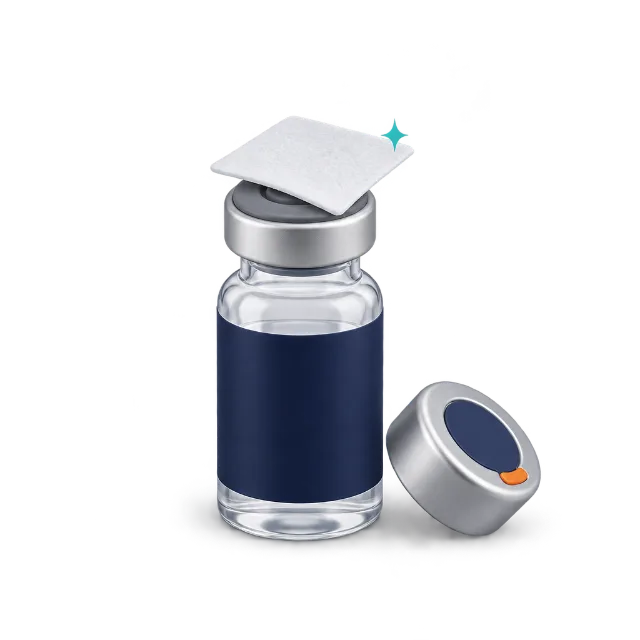 STEP 1Wipe both topsAlcohol pad on the peptide vial and the BAC water vial.
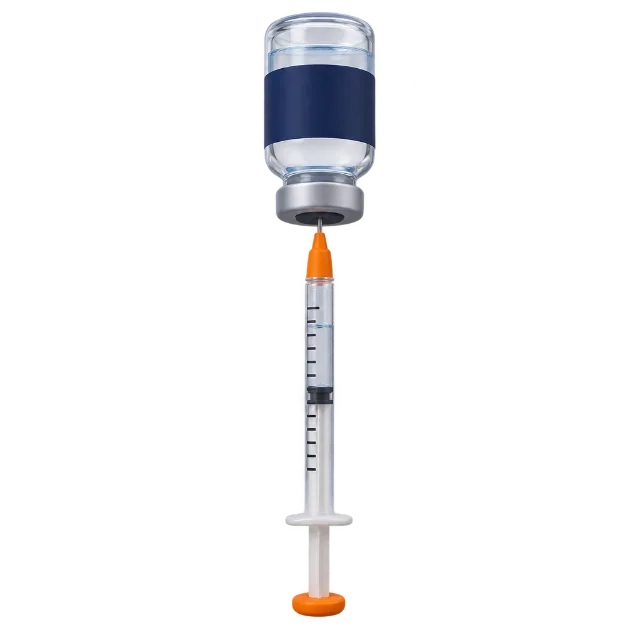 STEP 2Draw 2 mL of waterThat’s 2 full 1 mL syringes.
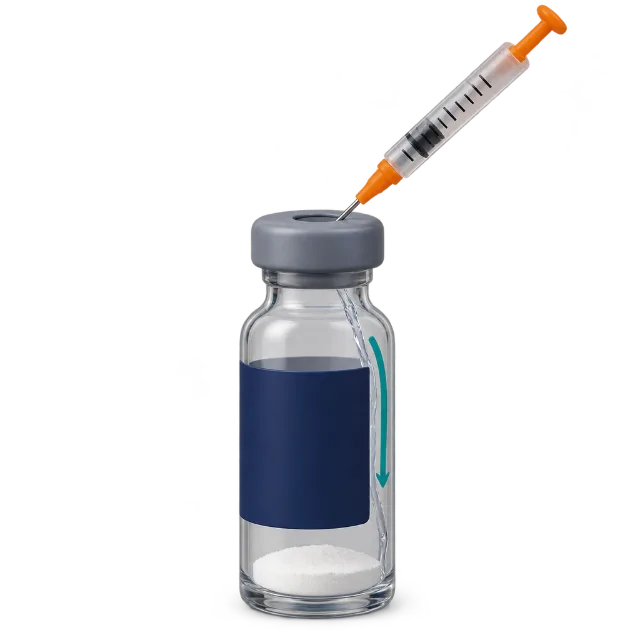 STEP 3Add it slowlyAim at the glass wall, not at the powder.
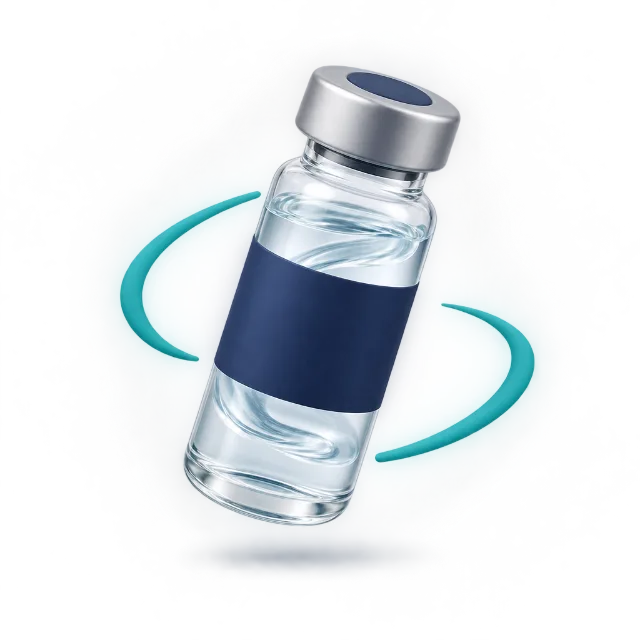 STEP 4Swirl, don’t shakeRoll gently until clear. Refrigerate after.
What to watch for
- Redness or soreness where the shot goes inReported by users
- Mild nausea, mostly above 500 mcgmcgMicrogram, one thousandth of a milligram. 1 mg = 1,000 mcg. a dayReported by users
- Dizziness or tirednessReported by users
- A theoretical cancer concern, since it raised blood-vessel growth signals in animal and lab studies. Not measured in peopleUnknown
- Almost no human safety data so farUnknown
Not for anyone with active cancer, a past cancer without a cancer doctor’s input, or an allergy to it. It is banned in tested sport. Talk to a doctor first, especially if pregnant, breastfeeding, or living with liver, kidney or heart problems.
Reasons to get medical help right away: trouble breathing, swelling of the face or throat, chest pain, fainting, or any severe or worrying reaction.
Full side-effect list and who should avoid it
In published research
- Animal studies: no significant toxicity up to 20 mg/kg, and no liver, kidney, genetic or birth-defect toxicity
- Human: 2 people given up to 20 mg intravenously had no adverse events, which is not enough to establish safety
- When it placed BPC-157 in Category 2 in 2023, the FDA cited possible immune reactions, impurities in unregulated products and the lack of human data
What users report
- Common: injection-site reactions, mild nausea (above 500 mcg a day), dizziness, tiredness or drowsiness
- Less common: anxiety or mood changes, palpitations, trouble sleeping, headache, low appetite; these usually pass within days
Theoretical concerns
- Because it promotes new blood-vessel growth in animal and lab studies, it could in theory speed the growth of an existing or undetected cancer. This has not been measured in people
Not for
- Active cancer or tumors
- A history of cancer without an oncologist's input
- Known allergy to the peptide
- Tested athletes (WADA S0)
Use caution with
- Pregnancy or breastfeeding
- Liver or kidney impairment
- Heart and circulation conditions
- Precancerous conditions or unexplained masses
- NSAIDs (mixed data); few other interactions are established
How the body handles it
- Half-life under 30 minutes
- Processed by the liver and cleared by the kidneys; detectable in urine for up to 4 days
- Stable in gastric juice for more than 24 hours
Supplies
What 12 weeks of the schedule above takes, counted dose by dose.
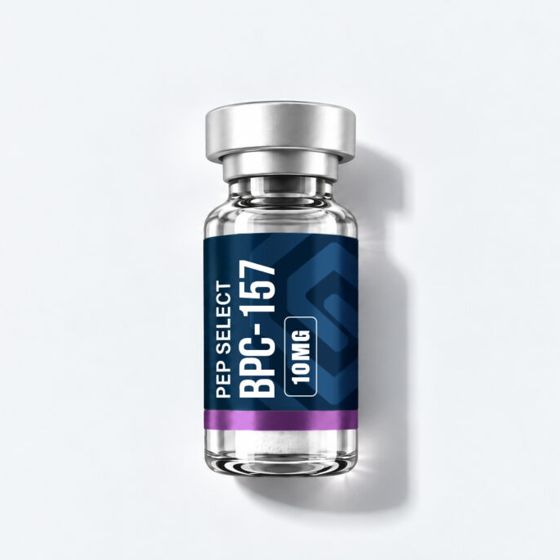
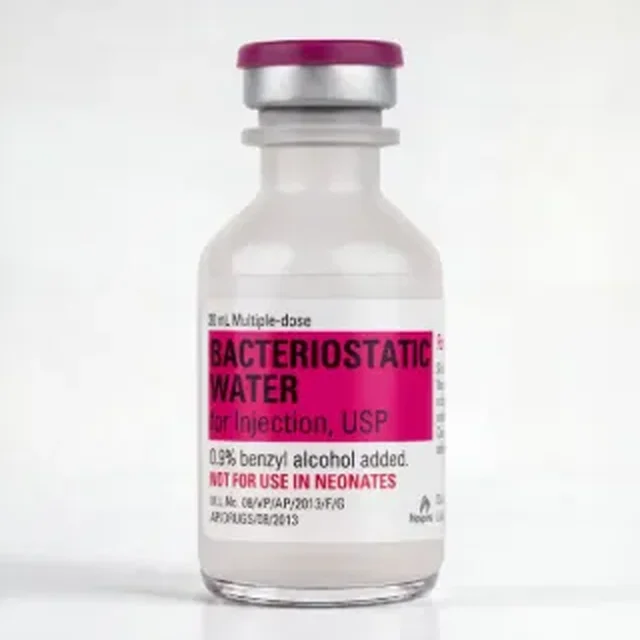
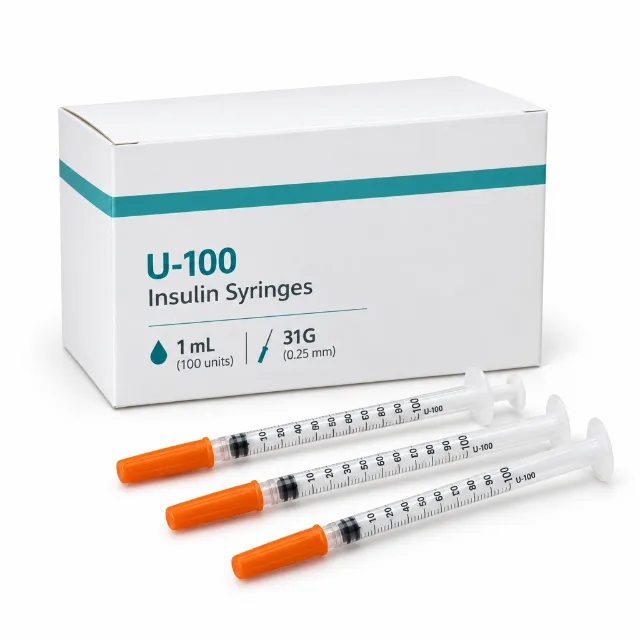
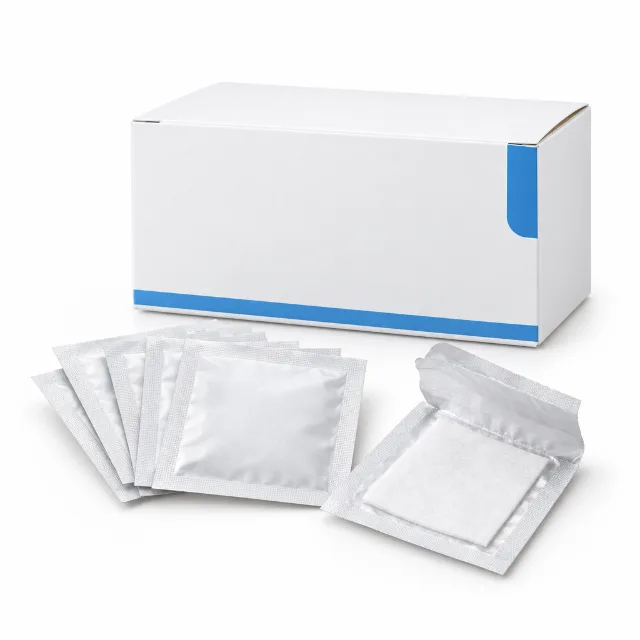
By clicking this link, WikiPep may receive a commission.
Stacking
The community pairs BPC-157 most often with TB-500, but no pairing has been tested in a controlled trial.
- TB-500Reported by users
Known as the Wolverine stack: BPC-157 is described as building blood supply, and TB-500 as moving repair cells into place. The cancer caution applies to both.
Also used alongside it, with no interactions described: GLP-1 drugs, growth-hormone peptides and testosterone therapy.
Talk to a doctor before combining it with: anti-inflammatory painkillers like ibuprofen, where the data are mixed.
Go deeper
Every study, community report and source behind this page.
What the studies show15 findings, each with its evidence label
Status, October 2026. BPC-157 is not approved by the FDA or any other regulator; on April 15, 2026 the FDA said it would take it off its Category 2 ('significant safety concerns') compounding list, and on July 23, 2026 an FDA advisory committee voted 8–6 (1 abstaining) to recommend it for the 503A bulks list, a non-binding vote the FDA has not yet acted on. Source
How it works
New blood supply. In animal and lab studies BPC-157 raised levels of VEGFR2, the receptor for the blood-vessel growth signal VEGF, without raising VEGF itself, and switched on the Akt-eNOS pathway that makes nitric oxide. One way to picture it is more antennas for repair signals that are already there, which is why it is described as acting where tissue is damaged.
Cell movement and growth signals. In lab studies it activated FAK-paxillin, a pathway that helps cells move and anchor, raising fibroblast and collagen activity. In tendon cells it raised the number of growth-hormone receptors and JAK2 signaling, and ERK1/2 signaling was linked to new tissue, skin closure and collagen deposition.
Inflammation. In animal studies it lowered COX-2, IL-6 and TNF-α while still drawing in the immune cells that clear damage.
Stability. In lab testing it stayed intact in gastric juice for more than 24 hours, which is the basis for oral use.
Benefits
Each one carries an evidence label, so you can see how much is actually known.
Tendon and ligament healing
In lab and animal studies, tendon cells grew out, survived and migrated better, and injured knee ligaments showed less instability and stiffening. source
Muscle repair
Animal studies report faster muscle recovery after direct injury and after body-wide insults. source
Bone healing
In animal models of fractures that failed to heal, results were comparable to a bone graft from the same animal. source
Gut lining
Animal studies report healing of ulcers, damage from anti-inflammatory painkillers (NSAIDs), inflammatory-bowel-type injury and the gut's surface lining. source
Wounds and burns
In animal studies, including alkali burns, wounds closed faster. source
Nerve regeneration
Animal studies report regrowth after a cut sciatic nerve. source
Knee pain and bladder symptoms
Small, uncontrolled human pilot studies reported relief of knee pain and of interstitial cystitis symptoms after single injections. source
What the science shows
Systematic review, 36 studies (2025)
Studied in animals or lab35 preclinical studies and 1 clinical study. No acute toxicity in any organ system at 6 mcgmcgMicrogram, one thousandth of a milligram. 1 mg = 1,000 mcg./kg to 20 mg/kg in animals. Human safety has not been assessed. source
Cancer review (2025)
Studied in animals or labIn animal tumor models, BPC-157 held back uncontrolled cell growth and lowered VEGF, which runs against tumor blood-vessel growth. Human data are very sparse, so it remains investigationalinvestigationalStill in clinical trials and not approved by any regulator.. source
Intravenous safety pilot (human, 2025)
Studied in humansTwo healthy adults received up to 20 mg intravenously. No adverse events and no meaningful changes in blood markers. source
Interstitial cystitis pilot (human, 2024)
Studied in humans12 women received 10 mg directly into the bladder. 10 of 12 had complete resolution of symptoms. No control group. source
Knee pain chart review (human, 2021)
Studied in humansA retrospective review of people given injections into the knee. Of 16 reached, 14 reported significant relief for 6 to 12 months; 11 of the 12 given BPC-157 alone improved. No standardized outcome measures were used. source
Growth-hormone receptors in tendon cells (lab, 2014)
Studied in animals or labBPC-157 raised the number of growth-hormone receptors on tendon fibroblasts. source
VEGFR2 and blood-vessel growth (2017)
Studied in animals or labBPC-157 raised VEGFR2 and switched on the Akt-eNOS pathway. source
Registered phase 1 trial
UnknownA trial with 42 subjects was registered in 2015, then cancelled. No results were published.
What the community reports3 user reports, a timeline and 5 pairings
What to expect
Pain and inflammation are described as easing.
Reported by usersMuscle injuries are described as responding.
Reported by usersTendon and ligament function is described as improving, with the peak around weeks 6–8.
Reported by usersThe window described for tendon injuries.
Reported by usersChronic injuries are described as responding here, less predictably. Users describe consistent daily dosing as part of getting results.
Reported by usersThe human data so far are two small pilots. In a knee study, 14 of 16 people reported significant pain relief lasting 6 to 12 months after a single injection into the joint; 11 of the 12 who received BPC-157 alone improved. In a bladder study, 10 of 12 women with interstitial cystitis had complete symptom resolution after a single injection into the bladder.
What people report
Gathered from user communities. Anecdotal: useful for what to expect, not proof.
Injury recovery
Faster recovery from tendon, ligament, muscle and post-surgical injuries. Paired with TB-500 it is the most discussed protocol: pain relief in 1 to 2 weeks, function in 4 to 8. Results vary.
Oral or injected
Injection is preferred for muscle and joint injuries; oral for gut issues, with mixed reports on oral results for the gut.
Side effects
Minimal for most. Injection-site reactions, mild nausea (especially above 500 mcgmcgMicrogram, one thousandth of a milligram. 1 mg = 1,000 mcg. a day), dizziness and tiredness. Less often anxiety, palpitations, trouble sleeping with late-day doses, headache and low appetite.
Stacking
How it is described alongside other compounds.
TB-500
The pairing known as the Wolverine stack. BPC-157 is described as building blood supply and TB-500 as moving repair cells into place. The figures given are BPC-157 at 250–500 mcg a day plus TB-500 at 250–500 mcg a day, or TB-500 at 2–2.5 mg twice a week, both from day one. Both promote blood-vessel growth, so the cancer caution applies to each.
GLP-1 drugs
No interaction concerns described.
Growth-hormone peptides (CJC-1295, ipamorelin, sermorelin)
No interaction concerns described. The GH peptides keep their fasting schedule; BPC-157 has none.
Testosterone therapy
No interaction concerns described.
NSAIDs
Mixed data. In animal studies BPC-157 lessened NSAID damage to the gut, but NSAIDs may blunt its regenerative effects. Not described as a firm reason to avoid the combination.
Common questions8 questions
Common questions
Does the injection site matter?
For a single injury, protocols place the injection near it, because the half-life is under 30 minutes. For several injuries or body-wide inflammation, any spot under the skin is described; oral is described for the gut.
Does BPC-157 cause cancer?
That has not been shown, and in animal tumor models it held back tumor growth. Because it raises VEGFR2, active or recent cancer is still listed as a reason not to use it until a doctor clears it.
Does oral BPC-157 work for gut health?
In animal studies it did for structural damage: ulcers, NSAID lesions and a leaky gut lining. It is not described as helping vague bloating, microbiome or food-sensitivity issues, where diet is described as the first factor.
Does it need cycling?
No. Protocols run it while healing, 4 to 8 weeks and up to 8 to 12, and then stop.
Any time of day? Fasting?
Any time, with no fasting; consistency is what protocols emphasize.
Can BPC-157 and TB-500 start together?
Yes, protocols start both from day one.
What does “minimum effective dose” mean?
It is the lowest dose that still produces the effect someone is after. User reports describe starting there and staying there for as long as it keeps working, rather than climbing toward the top of the range. Side effects tend to rise with dose, and the top of each range on this page is a ceiling people report, not a target.
When does the dose go up?
There is no trial schedule for BPC-157. User reports describe staying on a dose while it is still working, and moving up only after progress has stalled for two weeks or more and side effects have settled. There is no prize for getting to the top dose fast. These are not quick fixes: most of what people report builds over weeks, not days.
Source material11 studies and documents
References
- Vasireddi N, et al. HSS J. 2025. pubmed.ncbi.nlm.nih.gov/40756949/…
- McGuire FP, et al. Curr Rev Musculoskelet Med. 2025. pubmed.ncbi.nlm.nih.gov/40789979/…
- Lee E, Burgess K. Altern Ther Health Med. 2025;31(5):20-24. pubmed.ncbi.nlm.nih.gov/40131143/…
- Lee E, Walker C, Ayadi B. Altern Ther Health Med. 2024;30(10):12-17. pubmed.ncbi.nlm.nih.gov/39325560/…
- Lee E, Padgett B. Altern Ther Health Med. 2021;27(4):8-13. pubmed.ncbi.nlm.nih.gov/34324435/…
- Gwyer D, et al. Cell Tissue Res. 2019;377(2):153-159. pubmed.ncbi.nlm.nih.gov/30915550/…
- Chang CH, et al. J Appl Physiol. 2011;110(3):774-780. pubmed.ncbi.nlm.nih.gov/21030672/…
- Chang CH, et al. Molecules. 2014;19(11):19066-19077. pubmed.ncbi.nlm.nih.gov/25415472/…
- Hsieh MJ, et al. J Mol Med. 2017;95(3):323-333. pubmed.ncbi.nlm.nih.gov/27847966/…
- Huang T, et al. Drug Des Devel Ther. 2015;9:2485-2499. pubmed.ncbi.nlm.nih.gov/25995620/…
- Sikiric P, et al. Curr Pharm Des. 2018;24(18):1990-2001. pubmed.ncbi.nlm.nih.gov/29879879/…
Related
What is BPC-157?
BPC stands for Body Protection Compound. BPC-157 is a synthetic chain of 15 amino acids (Gly-Glu-Pro-Pro-Pro-Gly-Lys-Pro-Ala-Asp-Asp-Ala-Gly-Leu-Val) taken from a protein in human gastric juice. It was first described in 1993 and has been the subject of more than 100 preclinical studies, against only three published human pilot studies as of early 2026. It is not approved by the FDA or any other regulator. On April 15, 2026 the FDA said it would take BPC-157 off its Category 2 ('significant safety concerns') compounding list, and on July 23, 2026 an FDA advisory committee voted 8–6 (1 abstaining) to recommend it for the 503A bulks list. That vote is non-binding and the FDA has not yet acted on it. It has been on the World Anti-Doping Agency's prohibited list (S0) since 2022 and is banned in tested sport.
What people look into BPC-157 for
Every line carries an evidence label, so you can see how much is actually known.
Tendon and ligament healing: In lab and animal studies, tendon cells grew out, survived and migrated better, and injured knee ligaments showed less instability and stiffening.source
Studied in animals or labMuscle repair: Animal studies report faster muscle recovery after direct injury and after body-wide insults.source
Studied in animals or labBone healing: In animal models of fractures that failed to heal, results were comparable to a bone graft from the same animal.source
Studied in animals or labGut lining: Animal studies report healing of ulcers, damage from anti-inflammatory painkillers (NSAIDs), inflammatory-bowel-type injury and the gut's surface lining.source
Studied in animals or labWounds and burns: In animal studies, including alkali burns, wounds closed faster.source
Studied in animals or labNerve regeneration: Animal studies report regrowth after a cut sciatic nerve.source
Studied in animals or labKnee pain and bladder symptoms: Small, uncontrolled human pilot studies reported relief of knee pain and of interstitial cystitis symptoms after single injections.source
Studied in humansMix and measure: a 10 mg vial
Go deeper
How it works, in plain words
New blood supply. In animal and lab studies BPC-157 raised levels of VEGFR2, the receptor for the blood-vessel growth signal VEGF, without raising VEGF itself, and switched on the Akt-eNOS pathway that makes nitric oxide. One way to picture it is more antennas for repair signals that are already there, which is why it is described as acting where tissue is damaged.
What did the study measure?
No single study is featured for BPC-157; the human trials are linked from the uses above.
Sources
Side effects and who should avoid it
Side effects and limits, stated plainly. If anything here applies to you, talk to a doctor first.